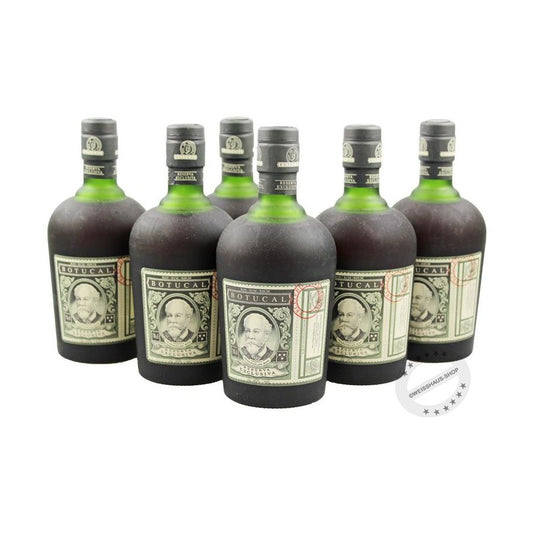
The base for every rum is sugarcane. Either sugarcane juice or molasses. Molasses is a byproduct of sugar production.
It all started around 1620 when rum was first distilled in the Caribbean, making it the first spirit produced for enjoyment.
But not all rum is created equal. It comes in white, gold, and dark, depending on the duration of barrel aging. Then there are also different categories, e.g., Spiced Rum. This is enriched with spices like cinnamon, pepper, or caramel. Navy Strength Rum has a minimum alcohol content of 57% vol. Then there is also Rhum – which may only be made from sugarcane juice in the French Antilles.
Since sailors were often paid with rum in the past, they invented a simple trick to find out if the rum was pure and not diluted with water. They poured it on gunpowder and lit it. If there was enough alcohol, the gunpowder burned (Proof). This is where the term Proof comes from and always stands for a higher alcohol content. Navy Strength Rum, for example, also falls into this category.
Approximately 80% of the world's rum today comes from the Caribbean. This may be due to the sunny weather or the turquoise water, we don't know for sure. Nevertheless, it is not restricted, and rum can be produced anywhere in the world.
Rum is versatile: dark rum is recommended neat or on the rocks, while light rum is good for cocktails, e.g., Mojito.
Production:
1. Sugarcane is the starting point. Whether fresh sugarcane juice or molasses (the end product of sugar production), the plant is always the beginning of everything. Sugarcane juice generally produces fresher and fruitier spirits. Molasses is a brown, very viscous liquid that yields heavier and spicier rums after distillation.
2. Then water and yeast are added. The finished mixture is called mash, and the yeast starts natural fermentation, creating the first alcohol percentages. In the most important step, distillation, the alcohol with its aromas is separated from the water. Depending on the type of equipment, different aromas are captured or not, which is why every spirit gets its own character and never tastes the same.
3. This is about style. Rum has the advantage of tasting extremely exciting and fresh directly from the still. The clear white rums can therefore be just as intense as their aged siblings. The color only comes into play during the aging itself. The longer the distillate ages, the darker it becomes. The typical, slight sweetness also largely comes from the wooden barrels.